he whir of a servo motor replacing the satisfying click of a mechanical lever marks one of cycling's most significant technological shifts in decades. Electronic shifting, once the exclusive domain of professional teams with bottomless equipment budgets, has trickled down to become accessible for everyday riders. Shimano's Di2 and SRAM's AXS eTap systems now appear on bikes at price points that would have seemed impossible just five years ago. Yet for many cyclists, the question remains: what does this technology mean for maintenance? Do electronic groupsets eliminate the need for regular drivetrain service, or do they introduce an entirely new category of maintenance requirements? The answer, as with most things in cycling, lies somewhere in the nuanced middle ground between these extremes. Understanding these differences helps you make informed decisions about your next groupset purchase and ensures your current setup runs smoothly for years to come.
The Core Differences in Maintenance Philosophy
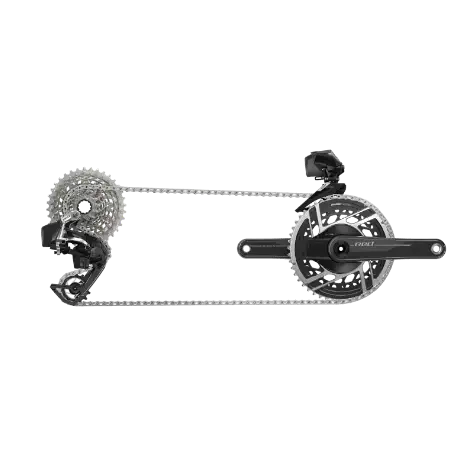
At their heart, both electronic and mechanical drivetrains share the same fundamental components: chain, cassette, chainrings, and derailleurs. The wear patterns, contamination issues, and replacement intervals for these core components remain largely unchanged regardless of how your derailleurs are actuated. Your chain still wears at the same rate, your cassette teeth still develop that characteristic hook shape over time, and your chainrings still eventually need replacement. Electronic shifting hasn't revolutionised the physics of pedalling a bicycle.
Where electronic systems diverge significantly is in the adjustment and calibration side of the equation. Mechanical drivetrains rely on steel cables that stretch, housing that compresses, and friction that increases over time. Every mechanical derailleur requires periodic cable tension adjustments, usually via barrel adjusters, to maintain optimal shifting. Housing needs replacement every few years as it becomes gunked up with contaminated grease or simply loses its structural integrity. These maintenance tasks, while not particularly difficult, require regular attention to keep shifting crisp.
Electronic systems eliminate cables entirely. Without cables to stretch or housing to compress, the adjustments that once consumed workshop time simply disappear. Once properly set up, an electronic derailleur maintains its position precisely, shift after shift, year after year. This doesn't mean electronic systems are maintenance-free, but it does mean the maintenance landscape looks fundamentally different. Instead of adjusting cables, you're managing batteries, updating firmware, and occasionally recalibrating the system.
Battery Management: The New Maintenance Frontier
For riders accustomed to mechanical groupsets, the most significant new maintenance consideration with electronic shifting is battery management. Both Shimano Di2 and SRAM AXS systems require regular charging, though the specific approach differs between brands. Shimano's systems typically use a single frame-mounted battery that powers both front and rear derailleurs, requiring charging every few months depending on usage. SRAM's approach uses individual batteries in each derailleur, allowing you to swap and rotate batteries if one runs flat mid-ride.
The good news is that both systems provide ample warning before batteries go flat. Shimano's system will shift into a failsafe mode, often shifting to a middle gear and displaying a warning light. SRAM's AXS app provides battery level monitoring and will send notifications when charge drops below certain thresholds. Neither system is likely to leave you stranded without warning, provided you pay attention to the indicators.
Developing a charging routine is the best approach for electronic groupset owners. Many riders find it convenient to charge their batteries at the same time as other regular tasks—perhaps every Sunday evening or after every long weekend ride. SRAM's removable batteries can be charged on a desktop charger while you're at work, making the process almost invisible in your routine. Shimano's frame-mounted batteries require connecting a charger cable directly to the bike, which might require a slight adjustment to where you park your bike for charging sessions.
Firmware Updates and Digital Integration
One maintenance category that simply doesn't exist for mechanical groupsets is firmware management. Both Shimano and SRAM periodically release firmware updates for their electronic components, addressing bugs, improving shift logic, and occasionally adding new features. While these updates aren't mandatory, they can significantly improve your shifting experience. SRAM's updates, in particular, have historically added meaningful functionality to existing hardware.
Managing firmware updates requires a smartphone or computer with the appropriate software installed. Shimano's E-Tube Project app and SRAM's AXS app handle this function for their respective systems. The process is generally straightforward, though it does require your bike to be within Bluetooth range of your device and have sufficient battery charge to complete the update. Most updates take only a few minutes, but it's not something you want to attempt five minutes before rolling out for a club ride.
The digital integration extends beyond firmware updates. Both systems allow varying degrees of customisation through their companion apps. You can adjust shift speed, button functions, and even the number of shifts per button press. Shimano's Synchro Shift mode automatically coordinates front and rear derailleur movements, changing both simultaneously when you reach certain gear combinations. These features add complexity to the initial setup but can significantly enhance your riding experience once configured to your preferences.
Calibration and Mechanical Setup
While electronic systems eliminate cable adjustments, they still require proper mechanical setup. The limit screws that prevent your derailleur from overshifting into your spokes or undershifting past the smallest cog still need correct positioning. The B-tension screw that positions your derailleur relative to your cassette still needs adjustment when you change cassette sizes. These mechanical aspects remain identical between electronic and mechanical systems.
Where electronic systems shine is in their self-calibration capabilities. Shimano's Di2 systems include an automatic adjustment feature that fine-tunes the derailleur position each time you shift. This means that minor changes in cable tension that would plague a mechanical system are automatically compensated for. SRAM's AXS systems take a similar approach, with precise stepper motors that maintain exact positioning regardless of environmental conditions.
This automatic calibration becomes particularly valuable for Australian riders who experience significant temperature variations. A mechanical system might shift differently on a frosty Canberra morning compared to a scorching Adelaide summer afternoon, simply due to thermal expansion and contraction of cables and housing. Electronic systems maintain their precision regardless of temperature, providing consistent shifting whether you're freezing at the top of Mount Hotham or baking in the red centre.
Service Intervals: What Actually Changes
When it comes to the core service intervals that matter to your riding experience, the differences between electronic and mechanical systems are less dramatic than you might expect. Chain wear monitoring, the most critical maintenance task, remains identical. You should still check chain elongation regularly, ideally every 500 to 1,000 kilometres, using a quality chain checker tool. The catastrophic consequences of running a worn chain—premature cassette and chainring wear—apply equally regardless of how your derailleurs are actuated.
Drivetrain cleaning also remains unchanged. Your chain, cassette, and chainrings still accumulate the same grime, dust, and contaminants. The same cleaning techniques that work for mechanical systems—degreasing, brushing, wiping, and relubricating—apply to electronic drivetrains. The only consideration is avoiding direct high-pressure water spray on the electronic components, which is generally good practice for all bike components anyway.
The services you can skip with electronic groupsets include cable replacement, housing replacement, and regular cable tension adjustments. For riders who service their own bikes, this eliminates perhaps two to three hours of maintenance annually. For those who pay for professional service, it represents a meaningful reduction in workshop bills. However, these savings should be weighed against the cost of replacement batteries (SRAM batteries last roughly two years of regular use) and the occasional need for professional firmware updates if you're not comfortable managing them yourself.
When Professional Service Makes Sense
Professional Service Considerations
For riders who rely on professional mechanics for maintenance, electronic groupsets introduce some new considerations. Not every bike shop has the equipment and expertise to work on every electronic system. Shimano Di2 requires specific diagnostic tools for certain procedures, and SRAM AXS has its own requirements. Before purchasing a bike with electronic shifting, it's worth confirming that your preferred local bike shop can support the system, particularly if you live in a regional area.
That said, the actual drivetrain service that professional mechanics provide remains largely unchanged. The electronic-specific work, such as firmware updates or battery replacement, can typically be handled during the same service appointment.
For riders who enjoy maintaining their own equipment, electronic systems offer an interesting proposition. The elimination of cable-related maintenance simplifies the equation significantly. However, the need for firmware management and battery monitoring adds new skills to learn. Most mechanically-inclined riders find the electronic learning curve quite manageable, particularly given the excellent documentation and support available from both Shimano and SRAM.
Embracing the Evolution
Electronic groupsets represent a genuine evolution in bicycle technology, not just marketing hype. The maintenance landscape they create is different rather than easier or harder than mechanical systems. Understanding these differences helps you make informed decisions about your equipment and ensures you're prepared to maintain whatever system you choose. Whether you're a traditionalist who loves the tactile feedback of mechanical shifting or an early adopter who appreciates the precision of electronic systems, the fundamental maintenance principles remain consistent: keep your drivetrain clean, monitor your chain wear, and address issues promptly. These timeless practices will serve you well regardless of how your derailleurs are actuated, keeping you rolling smoothly on Australian roads and trails for years to come.