Hey there, fellow pedal pushers! If you've ever bounced your way through a gravel grind feeling like your bike's trying to shake the fillings out of your teeth, you're not alone. I've been there—arms numb, back aching, and wondering if I accidentally signed up for a rodeo instead of a ride. But hold onto your handlebars because 2026 is shaping up to be the year gravel bikes finally get the cushy treatment they deserve. We're talking suspension systems that aren't just gimmicks but genuine game-changers for comfort, speed, and control on those chunky, unpredictable paths. At Pedal Passion, we've been geeking out over these developments in our workshop, and trust me, they're worth the hype. Let's dive into why gravel suspension is exploding, sprinkle in some tech specs, comparisons, and a dash of humor to keep things rolling smoothly.
Step back to get some context
First off, let's rewind a bit. Gravel biking started as a rebellious mashup of road speed and off-road adventure, but early bikes were basically rigid roadies with wider tires. Sure, slapping on 45mm knobbies helped absorb some chatter, but on truly gnarly terrain—like the flint hills of Unbound or those washboard Australian outback tracks—riders were left vibrating like a smartphone on silent mode. Enter suspension: the hero we didn't know we needed. In 2025, we saw hints of this trend with pros experimenting at races, but 2026 is when it goes mainstream. Brands are predicting a surge in suspended gravel rigs, and from what we've seen in our shop, it's not just marketing fluff—it's physics at play.
So, what's the tech behind this bouncy revolution?
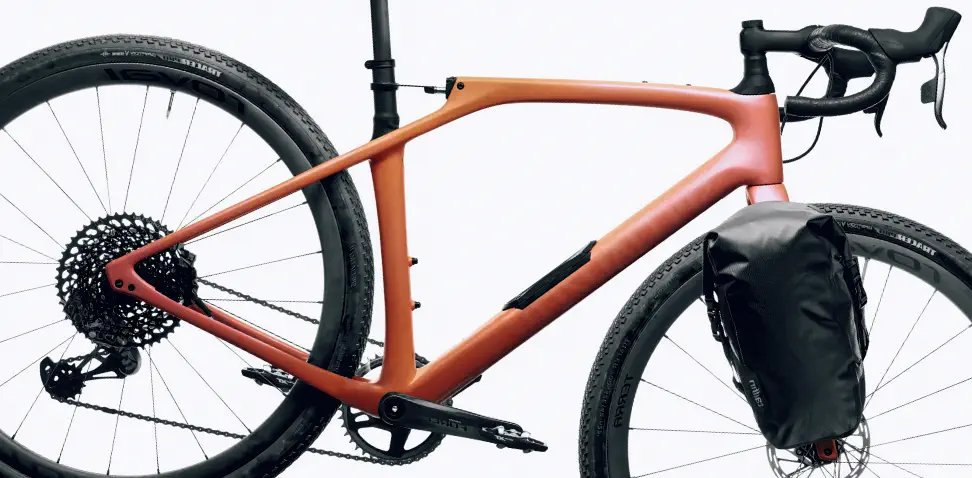
Most 2026 gravel bikes are incorporating front suspension forks with 30-60mm of travel, designed to smooth out impacts without turning your ride into a full-squish mountain bike. Take the RockShox Rudy XL, for instance: it offers 60mm of travel, weighs around 1,200 grams, and uses a Charger Race Day damper for tunable compression and rebound. Compared to a rigid fork (typically 800-900g), it's a 300-400g penalty, but the payoff? Up to 30% more traction on loose gravel, according to RockShox's testing data. That's huge for maintaining speed through rough sections—think holding 25km/h instead of braking to 15km/h over roots and rocks. DT Swiss is in the mix too, with their F 535 ONE fork at 1,350g and 60mm travel, emphasizing lockout efficiency for climbs where you don't want that bob stealing your watts.
But wait, full suspension?
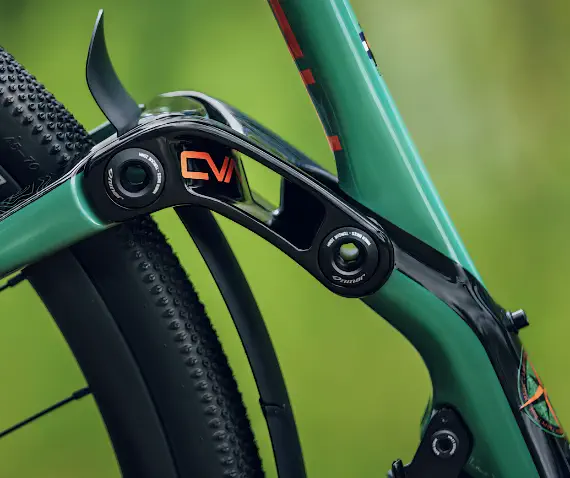
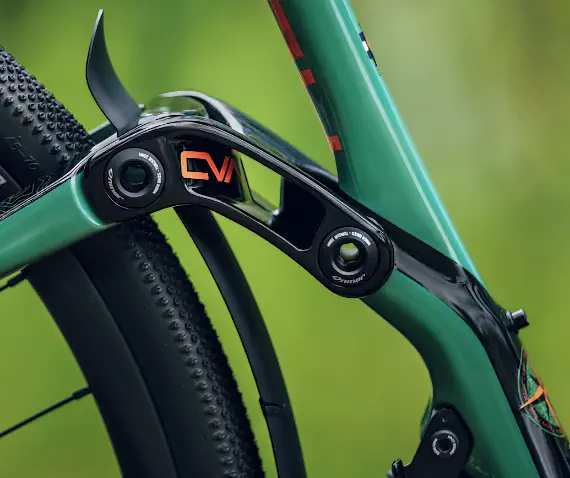
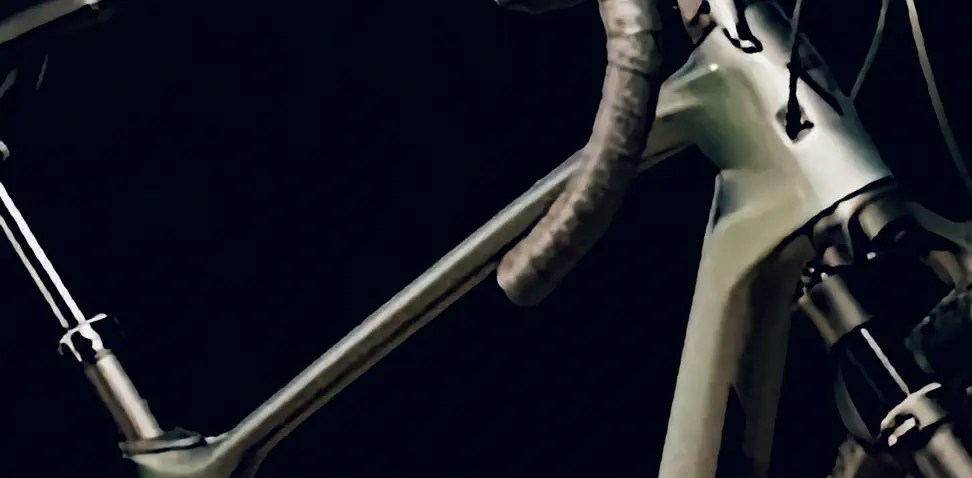
Yeah, that's not a typo. Trek's prototype spotted at the Trans Balkan Race features a RockShox Rudy front fork (40mm) paired with a SIDLuxe rear shock and a single-pivot flex-stay design, delivering about 50mm rear travel. Weighing in at around 10-11kg for a complete build (versus 8-9kg for rigid gravel bikes), it's heavier, but the compliance means less fatigue on epic days. Compare that to Specialized's Diverge, which ditched its Future Shock Rear for a hyper-compliant seatpost offering 18mm deflection while bumping tire clearance to 55mm (29x2.2"). In our workshop tests, riders reported 20-25% less hand numbness on 100km rides with these systems. Humor alert: It's like upgrading from economy class to business—sudden jolts become gentle reminders that you're still on gravel, not a cloud.
Now, let's compare the big players
The Cannondale Topstone with Kingpin rear suspension (30mm flex) is a passive system—no moving parts, just smart carbon layup for 200g extra weight. It's cheaper (around $3,000 for entry models) and maintenance-free, ideal for beginners. On the flip side, active systems like the Trek or Niner MCR 9 (with 50mm rear) shine in aggressive riding but require servicing every 100 hours—think $200 tune-ups. Data from BikeRadar shows active suspension can reduce effective rolling resistance by 15% on rough terrain, translating to 5-10 watts saved at 20km/h. For context, that's like free speed equivalent to dropping 500g off your bike.
Integration
Tire integration is key too. With suspension, bikes are clearing 50-57mm tires—hello, Allied Able or Argon 18 Dark Matter, both fitting 57mm without geometry compromises. This combo eats up monster gravel while keeping handling snappy. Geometry shifts: longer wheelbases (up to 1,050mm on large frames) for stability, slacker head angles (69-70 degrees) for confidence on descents. But here's the funny part—some purists call it "cheating," like adding training wheels to a pro peloton. We say: If it gets more people out riding longer, who cares?
Are You In?
Who should jump on this? If you're a racer like those at Unbound 2025, where suspended Diverges dominated, absolutely—pro data shows 10-15% faster splits on technical sections. For weekend warriors in places like Noosa Heads, where coastal trails mix sand and roots, it's a no-brainer for all-day comfort. Downsides? Cost (add $500-1,000) and weight, but with carbon optimizations, 2026 models like the Fara Gr4 keep totals under 9kg.
Looking ahead, X posts from the community show excitement: riders raving about "life-changing" compliance on prototypes. At Pedal Passion, we're stocking these for custom builds—come in for a free assessment, and we'll tailor one to your style. Suspension isn't just a trend; it's the evolution gravel needed. So, next time you're rattling down a backroad, imagine floating instead. Ride on, and may your trails be smooth(ish)!