What are the specific maintenance requirements for Enve hubs compared to other premium brands?
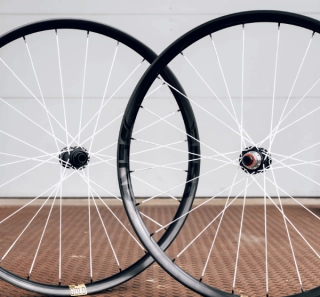
Enve hubs represent a distinctive approach to high-performance hub design, and their maintenance requirements differ from other premium hub brands in several important ways. Understanding these differences helps Enve owners provide appropriate care and maintain optimal performance from their investment.
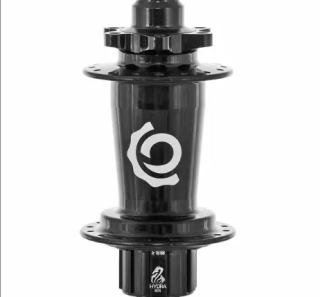
Enve has historically partnered with various hub manufacturers for their wheelsets, but their current generation hubs are designed in-house with specific engineering priorities. These priorities influence maintenance requirements and differentiate Enve hubs from competitors like Chris King, DT Swiss, and Industry Nine.
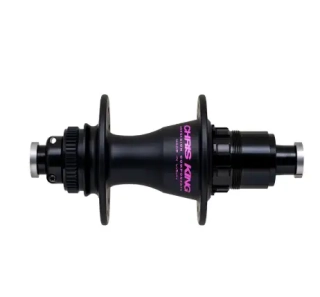
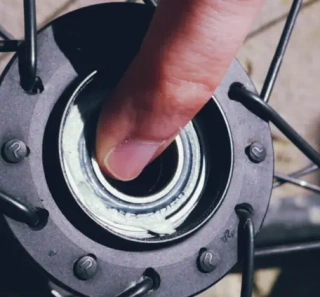
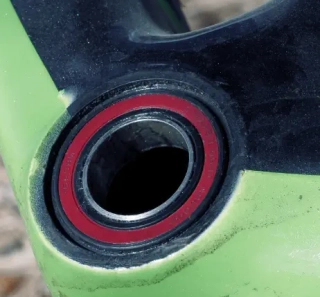
The most notable difference is Enve's focus on lightweight design and minimal maintenance. Enve hubs use cartridge bearings that are designed to be replaced rather than serviced in situ. This contrasts with some premium hubs (like Chris King) that feature serviceable bearing systems where the bearings can be cleaned and repacked multiple times. Enve's approach simplifies maintenance—when bearings wear, you replace them rather than attempting to service them.
Bearing life in Enve hubs is generally good but varies significantly by conditions. In clean, dry conditions, Enve hub bearings often last 3,000-5,000km. In harsh conditions—coastal salt air, frequent wet riding, or dusty environments—bearing life may be reduced to 1,500-2,500km. Riders in these challenging conditions should inspect bearings more frequently and be prepared for earlier replacement.
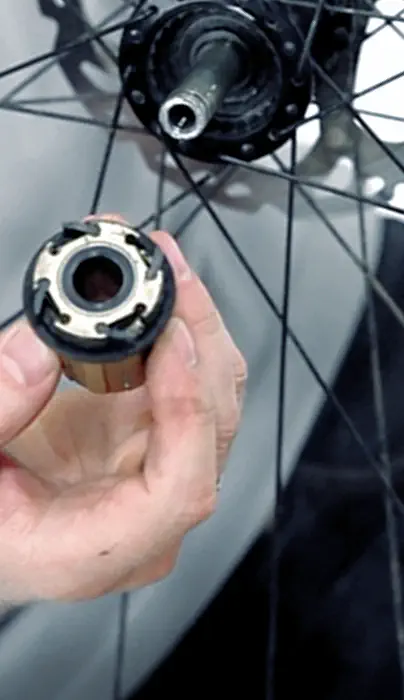
Enve's freehub engagement mechanism is another distinctive feature. Unlike Chris King's RingDrive or Industry Nine's pawl system, Enve typically uses a more traditional pawl-style freehub. This design is reliable and relatively quiet but requires different maintenance considerations. The pawls and springs should be periodically inspected for wear and proper lubrication.
Grease selection for Enve hubs differs from some other brands. While Enve provides specific recommendations, many mechanics find that quality bearing grease from reputable manufacturers (like Finish Line, Park Tool, or Chris King) works well. Unlike Chris King hubs where using the proprietary grease is strongly recommended, Enve hubs offer more flexibility in grease selection, though staying within Enve's specifications is still advisable.
Water resistance is a particular strength of Enve's hub design. The bearing seals are quite effective at excluding moisture, and the hub design minimizes water ingress points. This makes Enve hubs particularly suitable for Australian coastal riders or those who frequently ride in wet conditions. However, this water resistance isn't perfect—water can still work past seals under pressure, so regular inspection remains important.
The disassembly and reassembly process for Enve hubs is generally more straightforward than some competitors. Enve provides excellent documentation for service procedures, and the hub design doesn't require specialised proprietary tools beyond standard bearing removal tools.
Maintenance intervals for Enve hubs should be based on bearing condition rather than arbitrary mileage or time periods. Signs that bearings need attention include decreased smoothness, roughness when spinning, increased resistance, or audible noise during rotation. Visual inspection of seals can also reveal contamination—rust or debris around seals indicates water or dust intrusion.
For Australian conditions, several specific considerations apply:
- Coastal riders: Increase inspection frequency due to salt air corrosion risk. Consider more frequent bearing replacement.
- Dusty environments: Pay particular attention to seal condition. Dust can work past seals and accelerate bearing wear.
- Hot conditions: Ensure grease is appropriate for high temperatures. Standard bearing greases generally perform well, but extremely hot regions may benefit from high-temperature formulations.
- Wet riders: The good water resistance of Enve hubs is beneficial, but regular riding in wet conditions still requires increased inspection frequency.
The cost of Enve hub maintenance is generally reasonable compared to the hub's value.
For riders who want to minimise maintenance, Enve hubs offer a compelling balance of performance and practicality. The cartridge bearing design means less frequent service intervals than some competitors, and the simplified maintenance procedures make DIY service more approachable. Regular attention to bearing condition and timely replacement when needed will ensure years of reliable performance.